
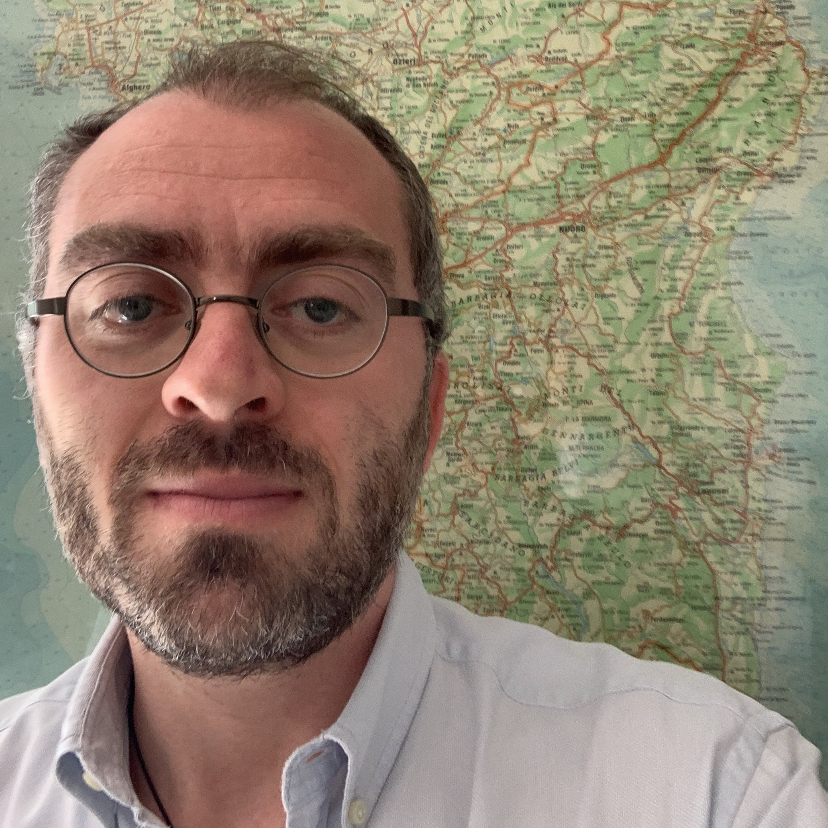
Luigi Fassi da Nuoro
Museums and galleries have reacted to the moment with digitalization and virtuality. What are his "strategies" to establish new relationships? How your way of working has changed?
During the months of lockdown, digital initiatives by museums and institutions multiplied, con un’offerta abbondante la cui natura è ancora tutta da interpretare. Si è trattato di un fenomeno effimero dettato dalla necessità del momento o di un vero rivolgimento nelle modalità di costruzione e offerta dei contenuti? Marketing o produzione culturale? Anche il Museo MAN ha proposto diversi formati, dai workshop laboratoriali online per bambini, a cura delle nostre mediatrici, al progetto Diario della Quarantena, un contest per ragazzi e adulti che ha stimolato l’invio di creazioni artistiche dallo spazio domestico a quello dei social del MAN, premiando i più brillanti e capaci di cogliere lo spirito del momento. Con il progetto Connessioni Inventive abbiamo, then, avviato, assieme all’ICA di Milano, una serie di lecture digitali con personalità italiane dal mondo della ricerca filosofica e culturale. È ora importante riflettere su quanti dei progetti digitali dei musei potranno segnare un cambiamento nelle prassi di lavoro istituzionale del prossimo futuro, lasciando così un impatto duraturo di sviluppo oltre l’emergenza Covid, e quanti sono destinati a svanire, derubricati alla necessità tattica di mantenere visibilità in un momento di chiusura sociale.
The project Connessioni Inventive al MAN lo porteremo avanti proseguendolo anche dopo l’estate. Le ragioni? La sensazione netta che sia ora più vitale che mai collaborare a livello istituzionale, privilegiando la condivisione rispetto alla competizione, per unire le forze e far crescere l’ambizione delle idee e delle attività in campo. E con gli strumenti digitali possiamo portare a tutti dei contenuti senza difficoltà logistiche. Con Connessioni Inventive stiamo invitando a parlare ricercatori italiani residenti in varie parti del mondo e sarebbe impensabile, anche in una fase normale, invitarli nelle istituzioni per una lecture dal vivo di trenta minuti.
Dunque, credo che al di là della modalità dello home-working e del distanziamento fisico, i cambiamenti profondi nel modo di lavorare si assesteranno solo nel prossimo futuro e tra un anno potremo forse capire quali nuove dinamiche siano sorte e quale reale mutamento abbiano apportato. Conterà, as always, la disponibilità di ciascuno a guardare avanti piuttosto che indietro e nell’ambito dei musei pubblici, la loro capacità di pensarsi per davvero come istituzioni civiche, al servizio della propria comunità di riferimento. Motori di relazioni sociali, suscitatori di vocazioni e innovazioni, a vantaggio di quante più persone possibili e innanzitutto di chi nel territorio del museo stabilmente vive.
We are realizing that we can live with less mobility? How do you imagine the world, when everything will start again?
È un interrogativo aperto, l’aviazione civile per un periodo non breve potrebbe fare un passo indietro di almeno due decenni, in termini di aumento dei costi e offerta più limitata. Ci saranno non solo più prudenza e reticenza nell’affrontare lunghi spostamenti ma penso anche la sensazione che non fosse del tutto normale viaggiare tra continenti con meno di 100 Euro. A livello istituzionale conteranno di più le relazioni consolidate e, come anticipavo, I am convinced (è anche un sincero auspicio) che la collaborazione acquisirà maggiore valore come arricchimento reciproco e forma di solidarietà. Quanto sta accadendo in questi mesi ha rivelato un dato che avevamo in parte oscurato, la fragilità come elemento costitutivo dell’umano e non come incidente da superare. Norberto Bobbio parlava di alcune emozioni emblematicamente umane, quali ad esempio la mitezza (a cui dedicò un saggio assai noto), rivelatrici di un’idea di vulnerabilità che va riconosciuta come essenziale e a tutti comune e che se compresa a fondo può mutare il modo di vivere le relazioni umane.
Luigi Fassi (Turin, 1977) è direttore artistico del museo MAN di Nuoro. Visual Art Curator presso lo Steirischer Herbst Festival di Graz, Austria, from 2013 to the 2017, from 2009 to the 2012 è stato direttore artistico del Kunstverein ar/ge kunst di Bolzano. Helena Rubinstein Curatorial Fellow al Whitney Museum ISP di New York nel 2008-09, ha organizzato mostre per diverse istituzioni internazionalmente, In Europa, Stati Uniti e Africa. Suoi articoli e testi sono apparsi su Mousse, Domus, Flash Art, Artforum, Camera Austria, Site. From 2010 to the 2017 è stato curatore di Present Future ad Artissima, Turin. In 2016 è stato fellow dell’Artis Research Trip Programme a Tel Aviv, curatore del Festival Curated_by a Vienna e della XVI edizione della Quadriennale d’Arte di Roma. È membro del comitato direttivo di Artorama a Marsiglia e dal 2020 curatore del progetto Tomorrow/Todays presso Investec Cape Town Art Fair in Sud Africa. www.museoman.it